
How We
Tender
A transparent explanation of how Pelvodi manages the tendering process — from initial scope definition through to formal acceptance of completed work.
Seven phases.
One clear objective.
The objective is simple: the building community gets the work it actually needs, at a fair price, executed to the agreed standard. Every phase of our process serves that objective.
Phase 1 — Initial Assessment
We visit the building and inspect the area requiring work. We speak with the building committee and administration to understand the history of the problem, any previous work done, and the community's priorities. This visit is the foundation for the technical scope that follows.
Phase 2 — Technical Scope Definition
We prepare a written technical specification that describes the work in precise terms: materials, methods, preparation requirements, application standards, quality checks, and acceptance criteria. This document becomes the basis for all contractor quotes and the contract itself. It is written so that any qualified contractor can price it accurately and unambiguously.
Phase 3 — Tender Invitation
We identify qualified contractors with relevant experience for the specific type of work. We send the technical specification to a minimum of three contractors with a clear deadline and instructions for submitting a comparable quote. We answer technical questions from contractors during the tender period to ensure all quotes are based on the same understanding of the work.
Phase 4 — Offer Evaluation
We review each submitted quote against the technical specification. We check that the scope is complete, that the proposed materials meet the specification, that the methodology is appropriate, and that the pricing is consistent. We prepare a comparative evaluation report for the building committee that presents each offer clearly and provides a technical recommendation.
Phase 5 — Contract Support
Once the building committee selects a contractor, we assist in formalizing the contract. We ensure the contract references the technical specification, includes a payment schedule tied to progress milestones, and includes appropriate provisions for defects and warranty. The contract is between the building community and the contractor — we are not a party to it.
Phase 6 — Execution Supervision
We visit the site at critical stages of the work — not just at the beginning and end. We verify that materials delivered match what was specified, that preparation is done correctly before application begins, and that the work is progressing in accordance with the contract. We document each visit with written reports and photographs. Any non-conformances are raised with the contractor in writing, with a required response and resolution timeline.
Phase 7 — Formal Acceptance
At completion, we conduct a formal inspection against the technical specification and prepare a snagging list of any outstanding items. We do not recommend acceptance until all items on the snagging list are resolved. Final acceptance is documented in writing, signed by the building committee. The contractor's warranty period begins from this date.
What governs
how we tender.
No contractor relationships
We do not maintain commercial relationships with contractors. We cannot receive any form of payment, commission, or benefit from a contractor. Our contractor list is based on demonstrated capability and past performance — not commercial arrangements.
Equal information to all
All contractors invited to tender receive the same specification, the same information, and the same deadline. Any clarification given to one contractor is shared with all. This ensures the tender is genuinely competitive.
Committee decides
We provide a recommendation — the building committee makes the final decision. We explain our recommendation clearly and answer any questions, but the authority to select a contractor and approve expenditure rests entirely with the community.
Everything
in writing.
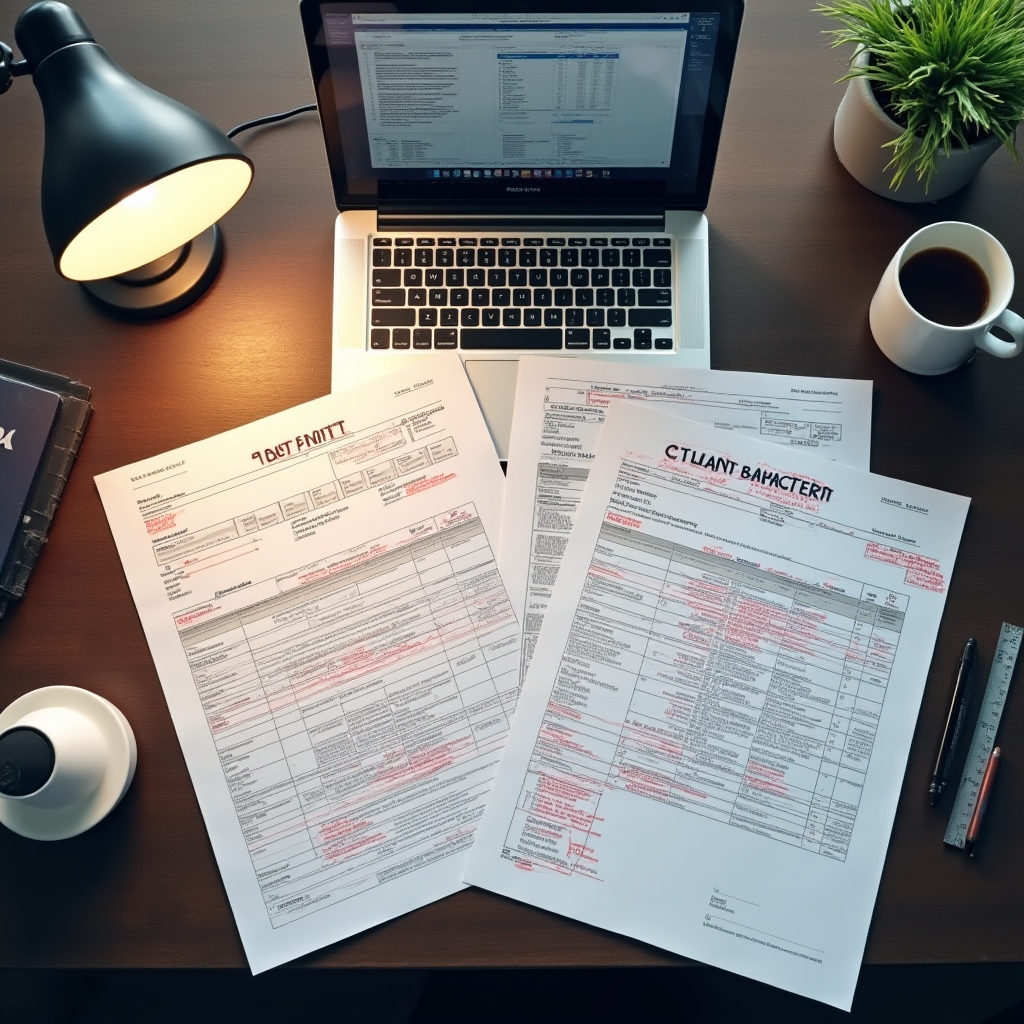
Every phase of our engagement produces written documentation: the technical specification, the tender invitation, the evaluation report, supervision visit reports, and the formal acceptance certificate.
This documentation protects the building community. If a dispute arises with the contractor, the community has a complete written record of what was specified, what was agreed, and what was observed during execution.
The documentation is delivered to the building committee at each phase and forms part of the building's permanent records.
Discuss your project